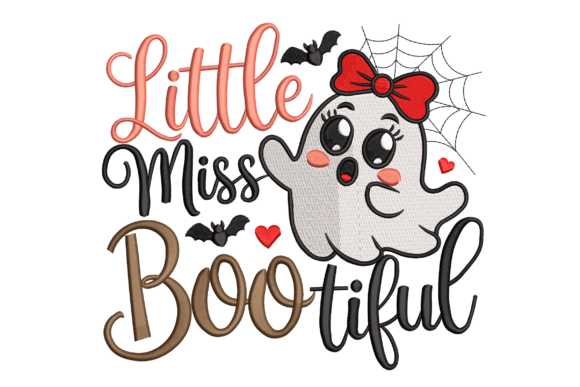
Little Miss Bootiful: A Designer's Take on Halloween Stitching
As someone who spends more time staring at stitch maps than most people spend looking at their phones, I approach every new machine embroidery design with a mix of excitement and skepticism. We've all been there: you download a file that looks adorable on the screen, only to find out it's a tangled mess of underlay or impossible to stitch on anything other than perfect canvas. That's why when I first laid eyes on Little Miss Bootiful, I didn't just see a cute graphic; I saw a potential asset for my shop, a risk for a client's hoodie, and a test of my stabilizer choices.
This isn't just another seasonal novelty. In the world of Halloween embroidery, the line between "charming" and "childish" is thin. Little Miss Bootiful manages to walk that line with a personality that feels fresh. The layout suggests a playful, slightly sassy character that fits perfectly into the current trend of whimsical holiday decor. But as a professional, my job isn't to admire the preview image; it's to predict how this digital embroidery file behaves when the needle hits the fabric.
First Impressions and Visual Personality
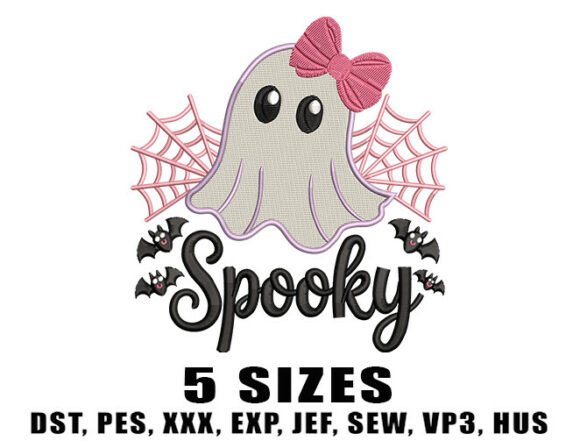
The immediate vibe of Little Miss Bootiful is inviting. It doesn't scream "spooky" in a way that alienates customers who prefer subtle seasonal nods over gore and grit. Instead, it offers a friendly entry point into October crafting. The shape and flow of the design suggest a balanced use of satin stitch for outlines and fill stitch for the body, which is crucial for maintaining definition without creating a cardboard-like stiffness on the back of the garment.
For an Etsy seller or boutique owner, visual appeal translates directly to sales. This design has the kind of clarity that pops in a printable mockup. Whether you are placing it on a dark oatmeal sweatshirt or a crisp white tote, the contrast potential is high. However, the true test lies in the details. Does the design rely on tiny, fragile elements that might snag? My initial assessment suggests a robust structure, but the density of the stitches will dictate how it handles stretchy fabrics versus rigid ones.
Real-World Application: The Tote Bag Test
To give you a practical perspective, let's imagine a real scenario. You have a rush order for a set of trick-or-treat bags for a local daycare. You decide to use Little Miss Bootiful on heavy-duty canvas tote bag design blanks. This is where the rubber meets the road.
Canvas is forgiving, but it's also thick. If the stitch density in Little Miss Bootiful is too high, you risk needle deflection or fabric puckering. In my experience with similar personalities in design assets, this type of character usually performs best with a medium-density fill. If you are using this for a handmade product intended for rough use, you need to ensure the edges are well-tacked. A poorly secured satin column can unravel after a few washes, turning a premium finished product into a disappointment.
On the flip side, imagine applying this to a soft, brushed fleece sweatshirt embroidery project. Here, the texture of the fabric works in your favor, hiding minor imperfections, but the stretch of the material demands a high-quality cut-away stabilizer. If you skimp on the stabilizer with a design full of personality like this, the image will distort over time, losing its crisp "little miss" charm and looking warped.
Navigating Fabric Challenges
Not every surface is created equal. While Little Miss Bootiful shines on standard apparel, there are scenarios where caution is required. If you are planning to stitch this onto a curved surface like a cap, be wary of the design's width. Wide designs often struggle on the front panel of a baseball cap unless they are specifically digitized for it. Similarly, if you attempt this on a thin, silky fabric for a fancy dress accent, the weight of the thread might pull the garment down.
Dark fabrics present another consideration. The description mentions it's great for t-shirts, but if you are stitching on black, your thread colors need to be vibrant. A design relying on subtle shading might get lost in the void of black cotton. Always run a test stitch on a scrap piece of the actual fabric you intend to use. This simple step saves hours of unpicking and protects your reputation as a maker.
Commercial Viability and Brand Consistency
For those running a craft business, consistency is key. Little Miss Bootiful offers a level of professionalism that can elevate a small shop's brand. It's not generic clipart; it has a specific mood that can become part of your seasonal signature. Using it across a range of items—from aprons to pillow covers—creates a cohesive collection that buyers recognize.
However, before listing this as a small shop product, you must verify the licensing terms. Just because a file is easy to stitch doesn't mean it's free for commercial resale as a digital asset or unlimited physical goods. Always check the provider's rules regarding commercial embroidery usage. Trust me, nothing kills a budding business faster than a copyright strike because you assumed a file was free to use.
Designer Notes for Best Results
To get the most out of this embroidery project, keep these practical tips in mind:
- Test First: Never stitch a final client item without a trial run on similar fabric. Check how the running stitch details hold up.
- Stabilizer Matters: Match your stabilizer to the fabric weight. Heavy designs need strong support.
- Thread Contrast: Play with thread colors. Sometimes a non-traditional color palette makes a holiday embroidery design stand out more than standard orange and black.
- Inspect Details: Look closely at small corners and lettering (if any). These are the first places to break down.
- Mockups: Visualize the design in black and white to ensure the shape reads clearly without relying on color.
Ultimately, Little Miss Bootiful feels like a winner for the right applications. It brings a touch of whimsy to personalized gifts and adds value to custom apparel. Whether you are making a one-off baby embroidery gift or stocking up for the Halloween rush, this design has the potential to deliver a high-quality result—if treated with the respect and preparation any good embroidery file deserves. Happy stitching!