Read Me a Story: A Designer's Take on Nursery Embroidery
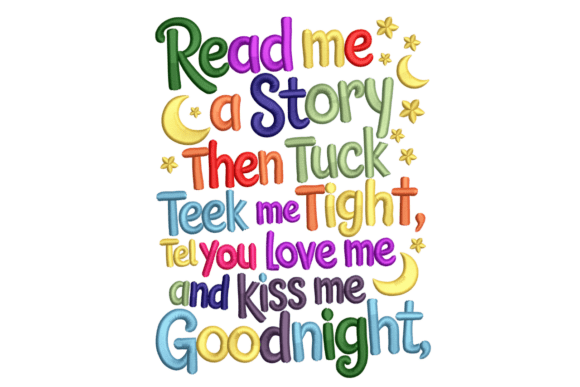
When I first pulled up the Read Me a Story file on my screen, I wasn't just looking at digits and vectors; I was imagining the final tactile experience. As a designer who spends more time under a magnifying lamp than anywhere else, my first impression is always about mood and potential application. This design immediately evokes a sense of warmth and nostalgia, perfectly suited for the Nursery category. It has a whimsical personality that suggests quiet afternoons and bedtime routines. However, liking a design on a monitor is different from trusting it on a hoop. Today, I'm breaking down how this machine embroidery design holds up when translated from a digital embroidery file to a tangible finished product.
Visual Personality and Layout Assessment
The layout of Read Me a Story feels balanced without being rigid. In the world of Embroidery, text-heavy designs can often be tricky; if the kerning is off or the font choice clashes with the graphical elements, the whole piece falls flat. Here, the typography appears friendly and approachable, likely utilizing a mix of satin stitch for the lettering to ensure crisp edges and readability. The accompanying graphics seem to support the text rather than overpower it, creating a cohesive unit that works well as a central focal point.
For a craft business owner or an Etsy seller, visual appeal translates directly to sales. This design has the kind of charm that stops a scroll on social media. It speaks to parents and gift-givers looking for something personal. When evaluating the detail level, it strikes a nice balance. It isn't so dense that it becomes a puckered mess on lighter fabrics, nor is it so sparse that it looks amateurish. The flow of the elements suggests a natural movement, which is crucial when you are trying to convey a story through thread.
Real-World Application: The Custom Tote Scenario
To truly test the viability of Read Me a Story, let's walk through a realistic project scenario. Imagine a client orders a custom tote bag design for a local library's fundraising event or a boutique baby shower favor. You decide to use a heavy canvas tote, a popular choice for handmade products. Canvas provides a stable base, but its texture can be unforgiving if the stitch density isn't managed well.
In this situation, Read Me a Story shines because of its apparent clarity. On a textured fabric like canvas, fine details can get lost, but the bold nature of this design suggests it will pop. I would recommend using a cut-away stabilizer here. Even though canvas is sturdy, the weight of the stitching in a text-based design can cause distortion over time if not properly supported. The result would be a professional-looking bag that feels substantial and high-quality, increasing the perceived value of your small shop product.
Beyond totes, consider sweatshirt embroidery. A heather grey crewneck with this design centered on the chest creates an instant bestseller for cooler months. The softness of the fleece pairs beautifully with the cozy theme of the artwork. For baby embroidery, such as a onesie or a receiving blanket, the design offers a gentle aesthetic. However, on stretchy knits, you must be vigilant about hooping techniques to prevent the "tunneling" effect between letters.
Technical Considerations and Fabric Compatibility
While Read Me a Story is versatile, it is not without its technical demands. Every experienced embroiderer knows that the devil is in the details. If this design includes small text or intricate corners, it requires careful attention regarding hoop size and placement. Crowding the design near a seam or a pocket can lead to registration issues where the needle hits obstacles or the fabric pulls unevenly.
One area to approach with caution is dark fabric. If the design relies on light thread colors against a navy or black background, you may need to employ a technique called underlay stitching or even a white backing layer to prevent the garment color from showing through the stitches. This is particularly important for satin columns in the lettering. Without proper coverage, the text can look thin and unprofessional. Always run a test stitch-out on a scrap piece of your intended fabric. This simple step saves hours of frustration and protects your reputation as a reliable creator.
Furthermore, consider the end-use of the item. If you are creating a personalized gift like a kitchen towel or an apron, the item will undergo frequent washing. High stitch density areas can become stiff or crack if the thread tension is too tight. Reviewing the embroidery file settings to ensure there is enough pull compensation is vital for durability. For items like caps or curved surfaces, ensure the design fits within the usable area of your cap frame; otherwise, the curvature will distort the text, making "Read Me a Story" look warped.
Enhancing Brand Value and Customer Trust
Using a well-chosen design like Read Me a Story does more than just decorate fabric; it builds brand consistency. For commercial embroidery projects, consistency is key. If you are selling a line of nursery decor, this design acts as a recognizable asset. Customers begin to associate that specific style and quality with your brand. It elevates a simple piece of cloth into a cherished keepsake.
When presenting this in your online store, the quality of the stitch-out directly impacts buyer engagement. High-resolution photos of the actual stitched texture, showing the sheen of the satin stitch and the neatness of the backing, build trust. Potential buyers want to see that the running stitch outlines are clean and that there are no loose threads. A pristine finished product signals professionalism. It tells the customer that you care about the details, which justifies a higher price point for your custom apparel or home goods.
Final Designer Notes for Success
Before you commit to a production run or list this as a new item in your shop, keep these practical steps in mind:
- Test First: Always stitch a sample on scrap fabric identical to your final material to check for puckering or registration errors.
- Check Contrast: Ensure your chosen thread colors provide sufficient contrast against the fabric, especially for the text elements.
- Review Density: Inspect the stitch count visually; if areas look overly dense, consider editing the file to reduce bulk, especially for lightweight fabrics.
- Verify Licensing: Since this is a digital asset, confirm the license terms. Are you allowed to sell unlimited physical items? Can you use it for printable mockups? Never assume; always read the fine print to protect your craft business.
- Stabilizer Selection: Match your stabilizer to the fabric weight. Heavier fabrics might need less support, while stretchy knits demand robust stabilization.
- Mockup Testing: Create black and white mockups to see how the design reads without color distraction. This helps identify if the shape and layout hold up on their own.
In conclusion, Read Me a Story is a promising addition to any designer's library. Its strength lies in its emotional resonance and adaptable layout. Whether you are crafting a holiday embroidery gift, stocking shelves for a boutique, or creating a custom embroidered patch, this design offers a solid foundation. With the right preparation, attention to fabric mechanics, and a keen eye for detail, it can become a staple in your portfolio of design assets. Happy stitching!