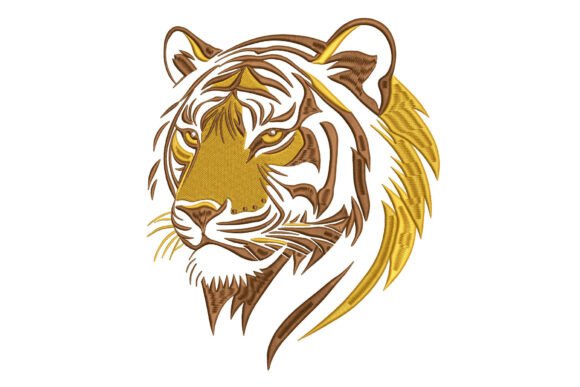
Tiger Head Embroidery Review: Bold Wildlife for Custom Apparel
As an embroidery designer who spends more time staring at stitch maps than most people spend on their phones, I am always cautious when browsing Creative Fabrica embroidery listings. We have all been there: you download a digital embroidery file that looks stunning in the preview image, only to find out it is a dense mess of jumps and poorly digitized corners once it hits the hoop. Recently, while sourcing assets for a new line of wildlife-themed handmade products, I came across the Tiger Head design. Positioned under the Wild Animals category, this piece promises personality and ease of use. After evaluating its potential for real-world commercial projects, here is my honest assessment of whether this design deserves a spot in your library.
First Impressions: Visual Mood and Stitching Personality
The first thing that strikes me about the Tiger Head is its bold character. In the world of Embroidery, animal designs often fall into two traps: they are either too cartoonish for adult apparel or so hyper-realistic that they require thousands of stitches and constant thread changes. This design seems to strike a balance. It carries a fierce yet approachable mood, making it versatile enough for a child's backpack or a trendy streetwear hoodie. The visual appeal relies heavily on strong outlines and expressive features, which suggests a reliance on clean satin stitch work for the defining lines and solid fill stitch areas for the body of the tiger.
For those of us creating printable mockup assets or listing items on Etsy, the "personality" mentioned in the product description is crucial. A generic tiger face won't sell; a tiger with attitude will. This design appears to have that specific flair that catches a customer's eye in a crowded marketplace. It feels less like a clipart conversion and more like a purpose-built machine embroidery design intended to stand out on fabric.
Real-World Application: From Tote Bags to Sweatshirts
When I evaluate a file, I immediately imagine it on specific substrates. The product notes suggest this is perfect for t-shirts, tote bags, and decorative fabric pieces, and I agree with that assessment. Here is how I see the Tiger Head performing across different project types:
- Custom Apparel: On a heavyweight cotton sweatshirt, this design would shine. The structure of the fleece supports the stitch density well, preventing the fabric from puckering. It would make an excellent centerpiece for a varsity-style jacket or a gym bag.
- Tote Bag Design: Canvas totes are a staple for craft fairs. Placing the Tiger Head on a natural or black canvas tote creates an instant boutique feel. The contrast between the thread and the rough texture of the canvas adds a tactile quality that buyers love.
- Embroidered Patch: If you are into making patches, this headshot format is ideal. With a merrowed edge or a simple running stitch border, it could be sold as a standalone accessory or applied to denim jackets later.
- Nursery Decor: While tigers can be fierce, the stylization here allows it to fit into a safari-themed nursery. Imagine it stitched onto a pillow cover or a wall hanging, using softer thread colors like mustard yellow and slate grey instead of traditional orange and black.
For commercial embroidery shops, speed and reliability are key. If this design truly is "easy to stitch" as claimed, it reduces machine downtime and thread breaks, directly impacting your profit margin on bulk orders for school teams or local businesses.
Technical Considerations and Fabric Challenges
However, enthusiasm must be tempered with technical scrutiny. Before committing this design to a customer order, there are several practical factors to consider. Since the specific stitch count and exact hoop size requirements are not detailed in the brief description, you must verify these on the Creative Fabrica product page before purchasing.
If you plan to stitch this on stretchy fabric like a polyester performance tee or a ribbed knit cap, you will need to be strategic. Animal faces often contain small details—eyes, whiskers, nose bridges—that can get lost or distorted if the fabric shifts. For caps, the curved surface requires careful hooping and potentially a lighter weight top stabilizer to prevent the design from sinking into the twill. On dark fabrics, ensure the digitizer has included an underlay that is sufficient to prevent the base material from showing through the fill areas.
Another critical point is washability. Products like aprons, kitchen towels, and baby blankets undergo frequent laundering. A design with high stitch density might become stiff or crack over time if not properly stabilized. I always recommend testing on scrap fabric identical to your final product. Wash and dry the test piece three times to check for thread breakage or fabric puckering. If the Tiger Head holds up to this torture test, it is ready for prime time.
Enhancing Product Value and Brand Consistency
In the handmade economy, perceived value is everything. Using a high-quality, unique design like Tiger Head elevates a basic item into a personalized gift or a premium boutique product. When customers see crisp, well-defined stitching, it builds trust in your brand. It signals that you care about quality control and design selection.
Furthermore, consistent use of strong graphic elements helps with brand recognition. If you decide to make this tiger a mascot for your shop, using it across various items—from sweatshirt embroidery to patches—creates a cohesive collection. This consistency improves product photography; the bold lines of the tiger pop against various backgrounds, increasing engagement on social media and marketplaces.
Final Verdict and Pre-Purchase Checklist
The Tiger Head appears to be a solid contender for designers looking to expand their wildlife catalog without getting bogged down by overly complex files. Its potential for use on custom apparel and home decor is high, provided the technical specs match your machine capabilities.
Before you download and start stitching, I advise following this checklist to ensure success:
- Verify File Formats: Confirm the download includes the specific format your machine requires (PES, DST, EXP, etc.).
- Check Licensing Terms: Review the Creative Fabrica license to ensure you are allowed to sell finished physical goods, especially if you plan on high-volume commercial embroidery.
- Review Stitch Density: Open the file in your editing software to inspect the density. If it looks too heavy for lightweight fabrics, you may need to adjust the pull compensation or reduce fill density.
- Test Thread Contrast: Plan your color palette ahead of time. High contrast usually works best for this style, but ensure your thread brands match the intended look.
- Confirm Hoop Size: Ensure the design fits within your available hoops, particularly if you are working with smaller machines or specific jigs for caps.
In conclusion, if you are looking for a design asset that brings a bit of wild energy to your finished product lineup, the Tiger Head is worth a closer look. Just remember, the difference between a good design and a great product lies in the preparation. Test your stabilizers, respect the fabric limitations, and let the personality of the tiger shine through your craftsmanship.