Polka-Dot Number 1 Flower: A Designer's Review for Branding
As an embroidery designer who spends countless hours digitizing and testing files for commercial use, I approach every new machine embroidery design with a critical eye. It is not enough for a file to look pretty on a screen; it must perform under the needle, withstand industrial washing, and elevate a brand's identity. Today, I am reviewing the Polka-Dot Number 1 Flower, a decorative piece categorized under Birthdays but possessing far broader potential for small business merch and branded applications. My goal is to evaluate whether this digital embroidery file can transition from a home hobbyist project to a cornerstone of professional custom apparel and boutique branding.
First Impressions: Visual Personality and Brand Fit
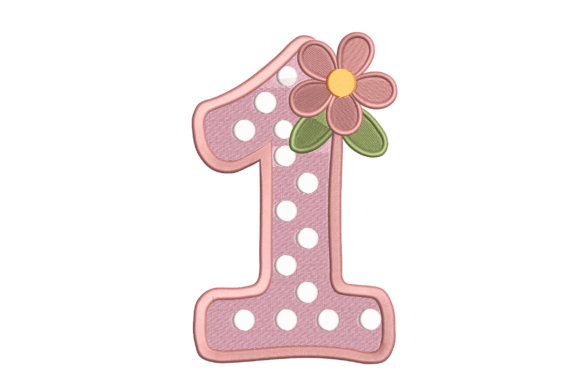
Upon loading the Polka-Dot Number 1 Flower into my editing software, the immediate impression is one of playful elegance. The combination of floral motifs with polka-dot detailing suggests a design that is both handmade in feel and modern in execution. For a small business owner, perhaps running a boutique bakery, a florist shop, or a creative studio, this aesthetic strikes a perfect balance. It avoids the rigidity of corporate logos while maintaining enough structure to look professional. The "Number 1" element implies a sense of primacy or celebration, making it an excellent candidate for anniversary gifts, staff recognition, or limited-edition product runs. While the product description highlights its use for Birthdays, the visual language speaks to any brand wanting to convey warmth, approachability, and a touch of whimsy.
Real-World Application in Commercial Embroidery
The true test of any embroidery file is its versatility across different substrates. In a real-world scenario, imagine a local coffee shop looking to upgrade their staff uniforms. The Polka-Dot Number 1 Flower could serve as a charming chest accent on a dark apron, breaking up the monotony of standard workwear. Because the design promises to "add beauty and texture," it is particularly well-suited for apron embroidery where tactile quality matters to the customer experience.
Beyond uniforms, this design shines in the realm of embroidered patch creation. Patches are a massive trend in small business merch, allowing brands to create collectible items without committing to large inventory runs. This flower design, with its decorative dots, would translate beautifully onto a twill or felt patch backing. It could be sewn onto tote bags as a tote bag design feature, adding value to a simple canvas bag and turning it into a premium branded item. For Etsy sellers and crafters, using this as a sleeve detail on a denim jacket or a pocket accent on a work shirt offers a unique selling point that distinguishes their finished product from mass-market alternatives.
Technical Considerations for Production
While the aesthetic appeal is high, a professional reviewer must address the technical constraints. The description notes that the design gives creations a "unique handcrafted feel." In embroidery terms, this often implies varied stitch directions or textured fills. When applying this to cap embroidery, one must be cautious. Caps have a curved, structured surface that can distort designs with high stitch density or wide spans. If the polka dots are densely packed, they might cause puckering on the front panel of a baseball cap. Therefore, I recommend testing this design on a similar curved surface before offering it as a cap customization option.
Furthermore, the interaction between the thread colors and the fabric texture is crucial. On dark uniforms, lighter thread colors used in the flower petals or dots will pop, but they must be dense enough to prevent the fabric from showing through. Conversely, on light-colored tote bags, the outline definition becomes paramount. Since the specific stitch count and file format details are not explicitly provided in the short description, it is vital to inspect the file properties before production. You need to confirm the hoop size requirements to ensure it fits within the limitations of your machine, especially if you are working with smaller items like pocket squares or product tags.
Strategic Placement and Sizing Constraints
There are specific scenarios where the Polka-Dot Number 1 Flower should be used with care. If you intend to scale this down for a tiny label or a small patch, the intricate details of the "polka-dot" elements may merge or disappear. Small dots can easily become blobs of thread if the resolution isn't high enough or if the stabilizer isn't sufficient. For items that require frequent washing, such as staff t-shirts or kitchen aprons, ensure that the satin stitches outlining the flower are secure. High-friction areas should be avoided for this specific design unless it is reinforced properly. Always create a printable mockup to visualize the scale relative to the garment before stitching the first thread.
Impact on Brand Identity and Customer Trust
Incorporating a distinct design like the Polka-Dot Number 1 Flower into your design assets does more than just decorate a product; it builds brand identity. Consistency is key to customer trust. If a bakery uses this floral motif on their packaging, their website, and their staff aprons, it creates a cohesive visual story. Customers begin to associate that specific blend of flowers and dots with the quality and personality of your business. This visual consistency enhances perceived value, allowing you to charge a premium for what is essentially a commodity item. A plain tote bag is worth five dollars; a tote bag featuring a professionally embroidered, textured floral design is worth twenty. That is the power of effective commercial embroidery.
Professional Designer Notes and Best Practices
To ensure success with this file, I recommend the following workflow for any business owner or decorator:
- Test in Monochrome First: Before committing to colorful threads, stitch the design in black and white to check for clarity and contrast issues.
- Verify Scaling: Check if the design holds up at the smallest size you intend to use, particularly for patches or labels.
- Stabilizer Selection: Given the textured nature described, use a cut-away stabilizer for stretchy fabrics and a tear-away for stable wovens to support the stitch density.
- Fabric Testing: Always run a test on the actual fabric you plan to sell, as fabric texture dramatically alters the final look.
- Client Mockups: Create a digital or physical mockup for client approval to manage expectations regarding size and placement.
- Licensing Verification: Although the description suggests broad use, always confirm the commercial licensing terms of the digital embroidery file to ensure you have the right to sell products made with it.
In conclusion, the Polka-Dot Number 1 Flower is a versatile asset that bridges the gap between decorative art and functional branding. With careful attention to technical details like stitch density, hoop size, and fabric compatibility, it can become a signature element for any brand looking to add a touch of handmade charm to their merchandise. Whether used for Embroidery projects in a home studio or scaled for a retail line, this design offers the texture and uniqueness that modern consumers crave.