No Need to Repeat: A Craft Fair Seller's Review
As I set up my booth for the upcoming weekend market, I am constantly evaluating which machine embroidery design will stop a customer in their tracks. Among the piles of finished goods and digital files on my tablet, one title caught my eye: No Need to Repeat. This piece falls squarely into the Friends Quotes category, a niche that consistently performs well for Etsy sellers and boutique makers alike. Before I commit to stitching this onto fifty tote bags, I need to assess its real-world viability as a craft fair product.
First Impressions and Market Mood
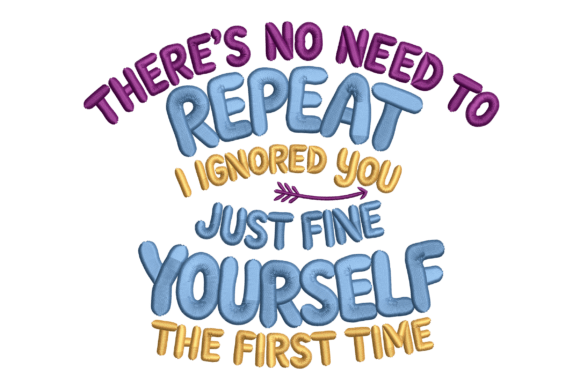
The phrase "No Need to Repeat" immediately suggests a vibe that is sassy yet minimal. It feels modern and slightly humorous, appealing to the friend who always has to say things twice or the group chat that never stops buzzing. For a handmade product line, this kind of personality is gold. It isn't overly rustic or strictly farmhouse; instead, it leans toward a clean, contemporary aesthetic that works beautifully on neutral linens or bold canvas. When scanning a crowded vendor table, customers are drawn to text they can read instantly. This design promises high legibility, which is crucial for impulse buys.
Where This Design Shines on Products
In my experience, the success of an embroidery file depends entirely on the substrate. Here is how I see No Need to Repeat performing across various items in my inventory:
- Tote Bags: This is the ideal home for this design. As a tote bag design, it serves as a statement piece. The flat surface allows for perfect stitch definition, making it a top seller for shoppers looking for reusable market bags.
- Aprons and Tea Towels: For apron embroidery and tea towel embroidery, this quote adds a touch of wit to the kitchen. It transforms a utility item into a giftable small shop product that feels personal and curated.
- Patches and Pouches: If scaled down correctly, this could work as an embroidered patch sewn onto denim jackets or small fabric pouches. However, care must be taken to ensure the lettering remains clear at smaller sizes.
- Caps and Pillow Covers: While possible, curved surfaces like caps require careful hooping. On pillow covers, it acts as a great decorative accent for home decor buyers.
Production Practicality for Batch Selling
When preparing for a craft fair, time is money. The description notes that this design is "easy to stitch," which is a promising sign for batch production. A design that stitches out quickly without excessive trims or color changes allows me to maximize output before the event. For commercial embroidery operations, repeatability is key. If No Need to Repeat holds its shape over fifty runs without puckering, it becomes a reliable staple in my catalog.
Photography is another critical factor. As an Etsy seller, I know that printable mockup images and real photos must pop on social media. Text-based designs generally photograph well because they create immediate visual interest. This design should translate effectively into design assets for online listings, provided the thread contrast is sharp against the fabric background.
Critical Considerations for Execution
Despite the promising description, a professional designer knows to look for potential pitfalls. The phrase "This machine embroidery d" in the source text cuts off, leaving some technical details ambiguous. Therefore, before running a full production batch, I would advise checking the following:
- Stitch Density: Check the stitch density carefully. If the letters are too dense, they may cause the fabric to pucker, especially on lighter materials like tea towels.
- Lettering Size: Tiny details can get lost. Ensure the font size is large enough to remain readable from three feet away, which is the average distance a customer stands from a booth table.
- Fabric Texture: Rough or highly textured fabrics can obscure fine lines. Test the design on smooth cotton or canvas first to gauge clarity.
- Thread Colors: The choice of thread colors will make or break the visual impact. High contrast is essential for text; avoid matching thread too closely to the fabric unless aiming for a subtle, tone-on-tone luxury look.
- Hoop Size: Confirm the required hoop size fits your machine's capabilities, especially if you plan to embroider larger items like full-back t-shirts or oversized totes.
Maximizing Visual Appeal and Sales
The ultimate goal is buyer engagement. A design like No Need to Repeat works because it invites a smile. It creates a moment of connection between the maker and the buyer. When displayed prominently on a booth sample, it signals that your brand understands humor and friendship. This builds brand consistency and encourages customers to imagine the product in their own lives.
To ensure the finished product meets high standards, I always recommend creating at least one real mockup before listing items for sale. Do not rely solely on digital previews. Stitch the design on scrap fabric that matches your intended product material. Inspect the back of the stitching to ensure neatness, and verify that the stabilizer used provides enough support without leaving a stiff residue. If you are using thick fabrics or dark colors, you may need to adjust underlay settings or switch to a cut-away stabilizer to prevent distortion.
Finally, always confirm commercial licensing terms. While the description suggests it is ready for crafting, ensuring you have the right to sell digital embroidery file outputs as physical goods is vital for protecting your business. With the right preparation, No Need to Repeat has all the markers of a bestseller: it is relatable, versatile, and efficient to produce. By focusing on quality execution and smart product placement, this design can become a standout star in your next market lineup.